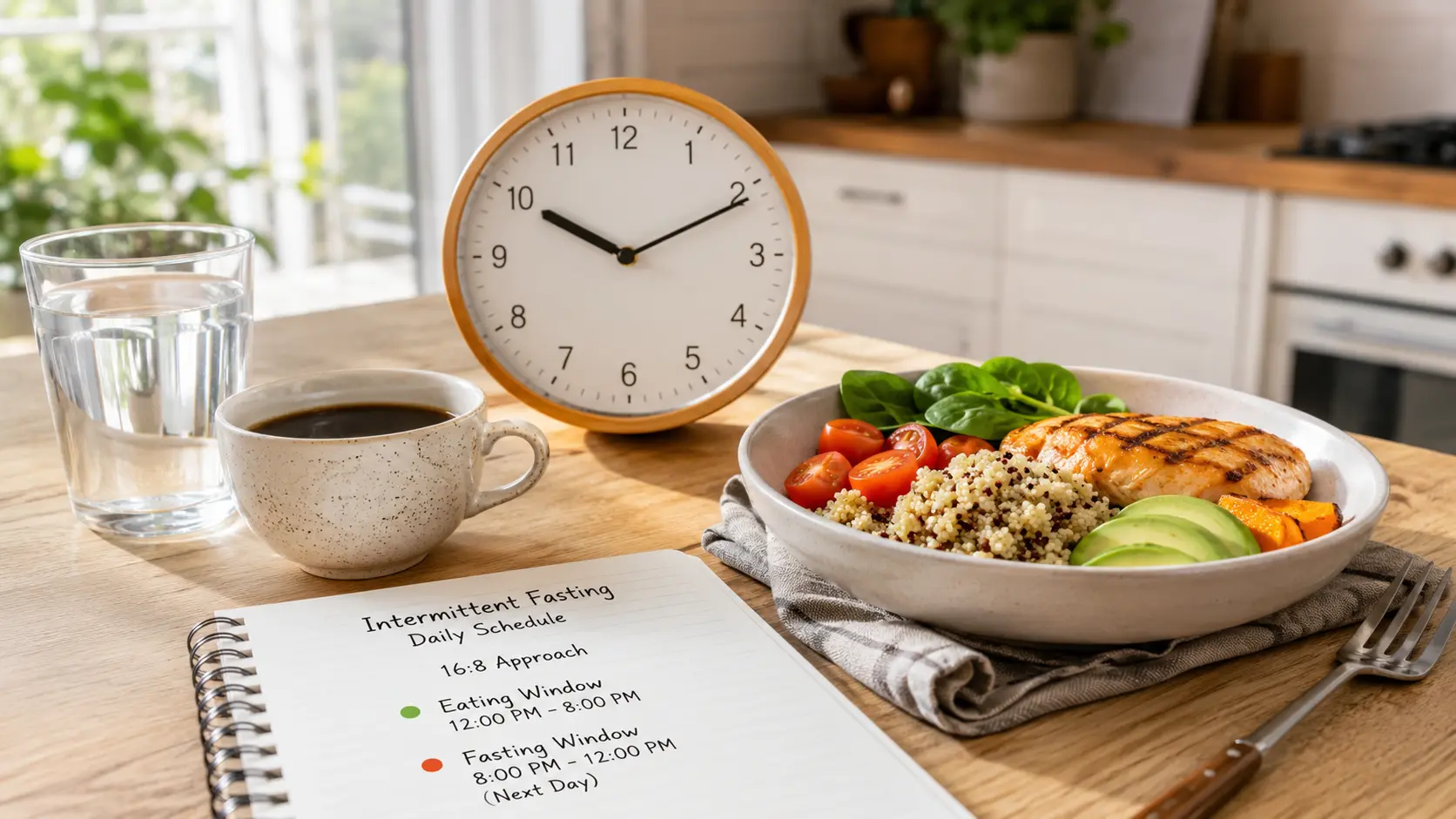
Intermittent fasting is one of the most searched health and weight-loss topics today. Many people hear about it on social media, in fitness videos, or from celebrities, but the real meaning is often misunderstood.
Intermittent fasting is not a magic diet. It is not a special food list. It is not a guaranteed way to lose belly fat overnight.
Intermittent fasting is an eating pattern where you cycle between periods of eating and periods of fasting. Instead of focusing only on what you eat, it focuses on when you eat.
According to Johns Hopkins Medicine, intermittent fasting is an eating plan that switches between fasting and eating on a regular schedule.
Some people use intermittent fasting to lose weight, reduce late-night snacking, improve meal discipline, or simplify their daily routine. But it is not suitable for everyone, and people with certain health conditions should speak with a healthcare professional before trying it.
This guide explains what intermittent fasting is, how it works, the most popular fasting schedules, possible benefits, risks, and who should avoid it.
Quick Answer: What Is Intermittent Fasting?
Intermittent fasting means eating during specific hours and fasting during the remaining hours of the day.
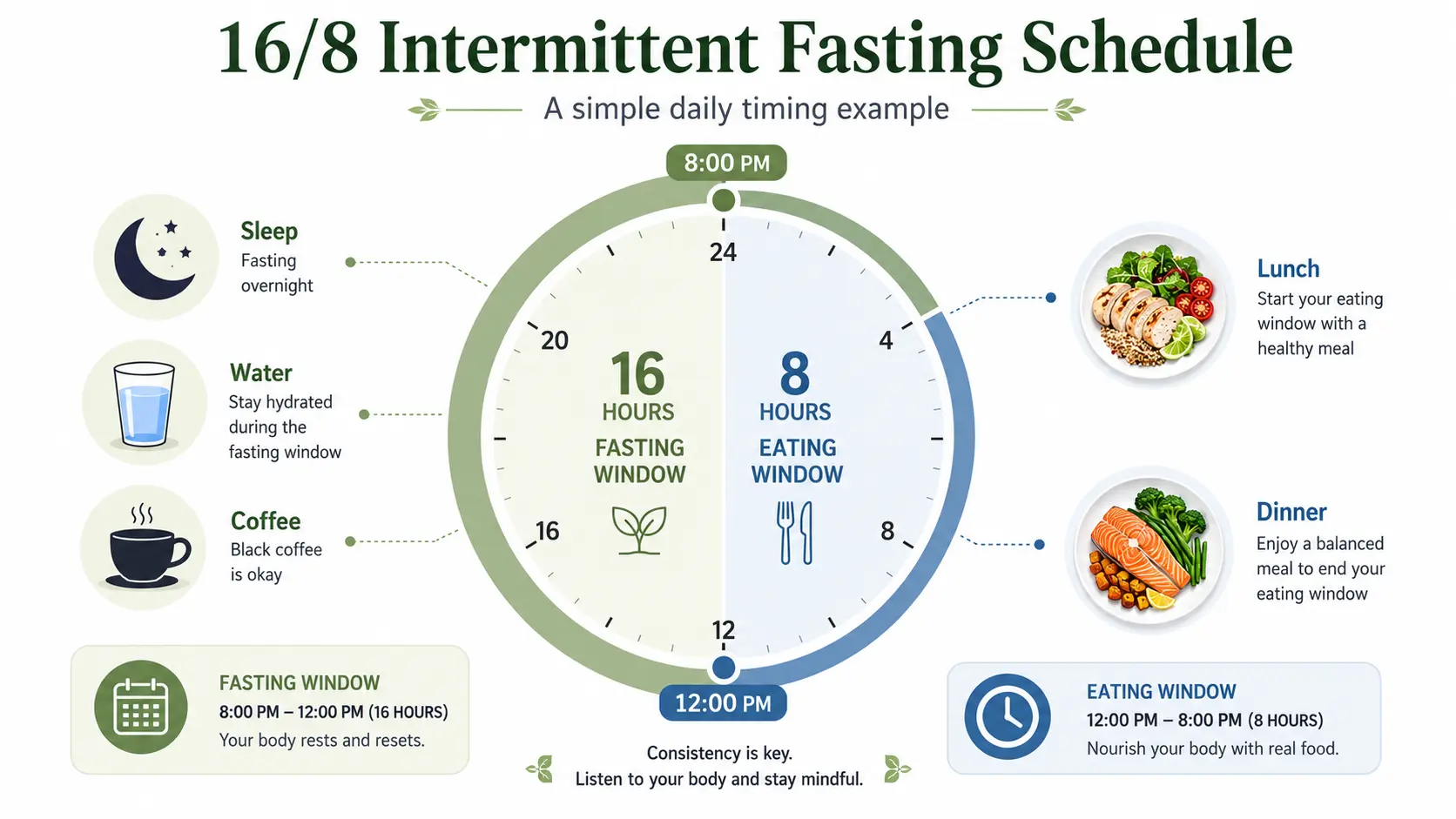
For example, with the popular 16/8 method, you fast for 16 hours and eat during an 8-hour window.
Example:
| Time | What Happens |
|---|---|
| 8:00 PM – 12:00 PM | Fasting window |
| 12:00 PM – 8:00 PM | Eating window |
During the fasting window, most people avoid calories and drink only water, black coffee, or unsweetened tea.
The main idea is simple: by limiting the hours when you eat, you may naturally reduce your total calorie intake. However, intermittent fasting only works well when your meals are balanced and you avoid overeating during the eating window.
How Does Intermittent Fasting Work?
When you eat, your body breaks food down into energy. Carbohydrates are converted into glucose, which your body uses for fuel. When you fast for several hours, your body may start using stored energy.
This does not mean fasting automatically burns fat faster than every other diet. Weight loss still depends mainly on creating a calorie deficit over time.
If you fast for 16 hours but eat too many calories during your eating window, you may not lose weight.
In simple words:
Intermittent fasting works best when it helps you eat fewer calories, reduce unnecessary snacking, and follow a consistent routine.
It does not work well when someone fasts all day and then overeats ultra-processed foods, sugary drinks, and large portions at night.
Popular Intermittent Fasting Methods
There are several types of intermittent fasting. The best method is usually the one that feels realistic, safe, and sustainable for your lifestyle.
1. The 12/12 Method
The 12/12 method is one of the easiest intermittent fasting schedules for beginners.
You fast for 12 hours and eat during a 12-hour window.
Example:
| Eating Window | Fasting Window |
|---|---|
| 8:00 AM – 8:00 PM | 8:00 PM – 8:00 AM |
This method is simple because most of the fasting happens while you sleep.
It may help people reduce late-night snacking without feeling too restricted.
2. The 14/10 Method
With the 14/10 method, you fast for 14 hours and eat during a 10-hour window.
Example:
| Eating Window | Fasting Window |
|---|---|
| 10:00 AM – 8:00 PM | 8:00 PM – 10:00 AM |
This can be a good next step for people who already feel comfortable with 12/12 fasting.
It is less strict than 16/8 and may be easier for beginners to maintain.
3. The 16/8 Method
The 16/8 method is one of the most popular forms of intermittent fasting.
You fast for 16 hours and eat during an 8-hour window.
Example:
| Eating Window | Fasting Window |
|---|---|
| 12:00 PM – 8:00 PM | 8:00 PM – 12:00 PM |
Many people like this method because it is simple: skip breakfast, eat lunch and dinner, and avoid late-night snacks.
However, 16/8 is not ideal for everyone. Some people feel weak, dizzy, irritable, or overly hungry when skipping breakfast.
The Mayo Clinic notes that intermittent fasting may have benefits, but it also highlights that more evidence is needed and that some fasting patterns may carry risks for certain people.
4. The 5:2 Method
With the 5:2 method, you eat normally for five days of the week and reduce calories significantly on two non-consecutive days.
For example:
| Day | Eating Style |
|---|---|
| Monday | Normal eating |
| Tuesday | Low-calorie day |
| Wednesday | Normal eating |
| Thursday | Normal eating |
| Friday | Low-calorie day |
| Saturday | Normal eating |
| Sunday | Normal eating |
This method can be harder than daily time-restricted eating because very low-calorie days may cause hunger, headaches, fatigue, or overeating later.
5. Alternate-Day Fasting
Alternate-day fasting usually means alternating between normal eating days and fasting or very low-calorie days.
This is more restrictive and may not be the best choice for beginners.
It can also be difficult to maintain socially, mentally, and physically.
What Can You Drink While Fasting?
During the fasting window, most people stick to drinks that contain little or no calories.
Usually allowed during fasting:
- Water
- Sparkling water with no sugar
- Black coffee
- Unsweetened tea
- Plain herbal tea
Usually not allowed during a strict fast:
- Sugar
- Milk
- Cream
- Juice
- Smoothies
- Alcohol
- Sweetened coffee drinks
- Protein shakes
Water is the safest choice. If black coffee makes you anxious, shaky, or causes stomach discomfort, reduce it or avoid it.
What Should You Eat During the Eating Window?
Intermittent fasting does not mean you can eat anything and still get results.
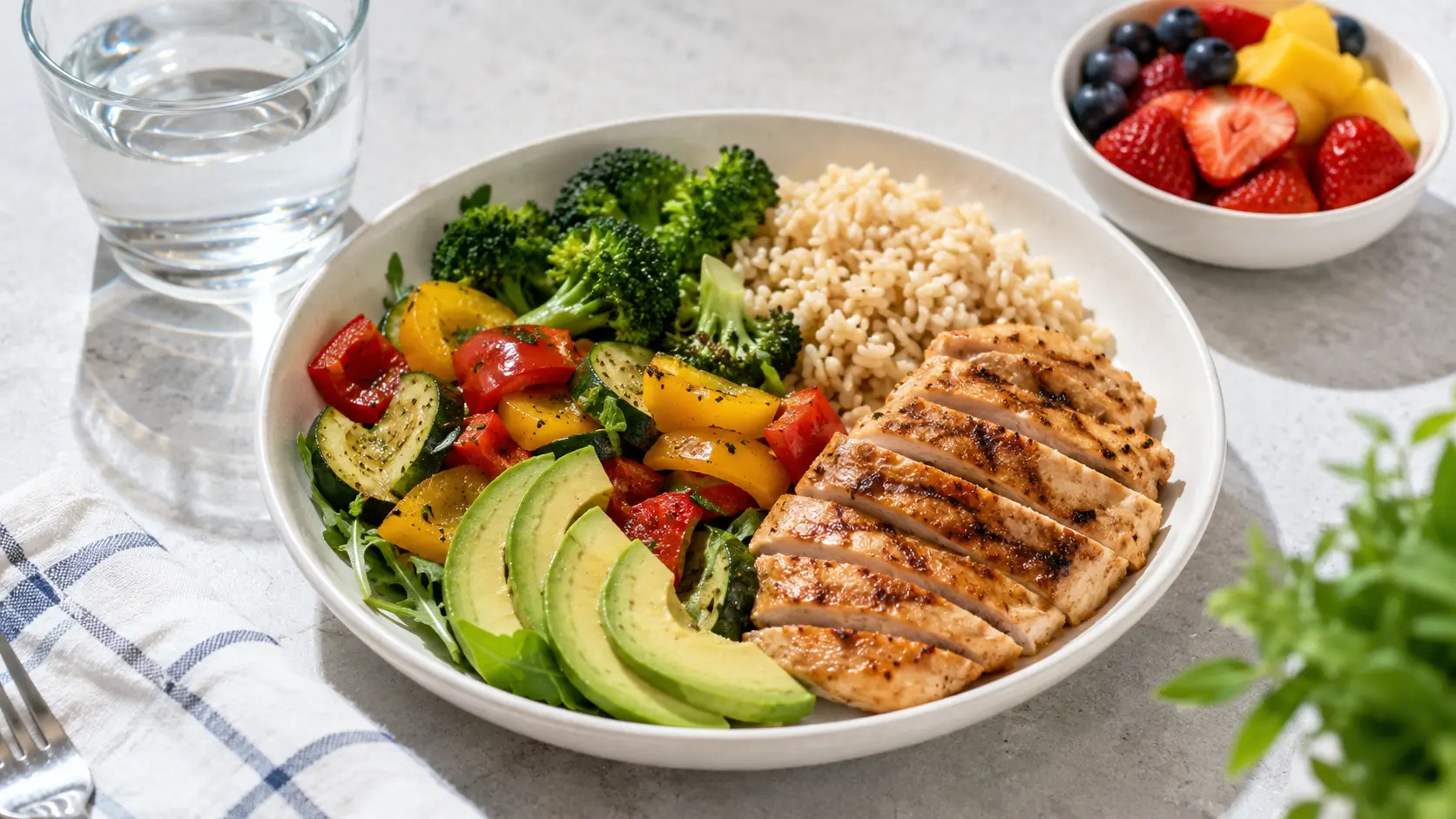
Your eating window should include balanced, nutritious meals.
A good intermittent fasting meal should include:
- Protein: eggs, chicken, fish, Greek yogurt, beans, lentils, tofu, lean meat
- Fiber-rich carbohydrates: oats, potatoes, brown rice, whole grains, fruit, vegetables
- Healthy fats: olive oil, avocado, nuts, seeds
- Micronutrients: colorful vegetables and fruits
- Hydration: water and mineral-rich foods
Example of a balanced meal:
Grilled chicken, rice, salad, olive oil dressing, Greek yogurt, and fruit.
Example of a poor fasting meal:
Pizza, soda, sweets, fried snacks, and desserts eaten quickly after fasting all day.
Even if both meals fit inside the eating window, they will not have the same effect on health, energy, hunger, or long-term weight control.
Food quality still matters.
Possible Benefits of Intermittent Fasting
Intermittent fasting may offer benefits for some people, especially when it helps them reduce calories, avoid unnecessary snacking, and build a more consistent eating routine.
1. It May Help With Weight Loss
Many people lose weight with intermittent fasting because they eat during a shorter time window. This can naturally reduce total daily calories.
However, intermittent fasting is not automatically better than a traditional calorie-controlled diet.
A Cochrane review on intermittent fasting found that intermittent fasting may make little to no difference compared with traditional dietary advice for weight loss and quality of life in adults living with overweight or obesity.
So the honest answer is:
Intermittent fasting can help with weight loss, but it is not magic. It works best when it helps you eat fewer calories consistently.
2. It May Reduce Late-Night Snacking
For many people, the biggest benefit of intermittent fasting is behavioral.
A clear eating window can help stop mindless snacking at night.
For example, if someone usually eats chips, sweets, or sugary drinks after dinner, a fasting window can create a simple rule: no more food after a certain time.
This can reduce calories without requiring complicated meal tracking.
3. It May Improve Meal Discipline
Some people find it easier to follow a time-based rule than to count every calorie.
Instead of tracking every bite, they follow a simple eating schedule.
This can make nutrition feel less stressful and more structured.
4. It May Support Metabolic Health
Some research suggests that time-restricted eating may improve certain markers of metabolic health in some people.
The National Institutes of Health reported that people with metabolic syndrome who limited eating to an 8–10 hour window had modest health benefits after three months. However, NIH also noted that longer-term studies are needed to better understand the benefits and drawbacks.
This means intermittent fasting may help some people, but it should not be promoted as a guaranteed cure for blood sugar, cholesterol, blood pressure, or weight problems.
5. It May Simplify Your Day
Eating fewer meals can save time and reduce decision fatigue.
Some people prefer eating two balanced meals instead of constantly planning breakfast, snacks, lunch, and dinner.
But this only works if those meals provide enough calories, protein, fiber, vitamins, and minerals for your body’s needs.
Common Beginner Mistakes
Mistake 1: Eating Too Much During the Eating Window
Fasting for 16 hours does not guarantee weight loss if you overeat later.
Calories still matter.
A person can easily consume more calories in two large meals than they would in three smaller meals.

Mistake 2: Eating Too Little Protein
Protein helps support muscle, fullness, and recovery.
If your meals are low in protein, you may feel hungry quickly and find fasting harder.
Good protein sources include eggs, fish, chicken, Greek yogurt, beans, lentils, tofu, and lean meat.
Mistake 3: Ignoring Hydration
Some people feel tired during fasting because they are dehydrated.
Drink water during the fasting window and include mineral-rich foods during meals.
Mistake 4: Starting Too Aggressively
Jumping straight into 16/8, 18/6, or alternate-day fasting can be too much for beginners.
Start with 12/12 or 14/10 before trying longer fasting windows.
A moderate fasting routine you can follow is better than an extreme routine you quit after one week.
Mistake 5: Treating Fasting Like a Cure
Intermittent fasting is not a cure for disease.
It is a lifestyle tool that may help some people, but it should not replace medical advice, medication, or treatment.
Is Intermittent Fasting Safe?

Intermittent fasting may be safe for many healthy adults when done moderately.
However, it is not safe or appropriate for everyone.
You should speak with a healthcare professional before trying intermittent fasting if you:
- Have diabetes
- Take insulin or blood sugar medication
- Are pregnant
- Are breastfeeding
- Have a history of eating disorders
- Are underweight
- Are a child or teenager
- Have heart disease
- Have cancer
- Have a serious medical condition
- Feel dizzy, weak, or unwell when skipping meals
People with diabetes or those taking blood sugar medication need special caution because fasting can increase the risk of low blood sugar.
People with a history of eating disorders should avoid restrictive fasting patterns because strict eating windows may trigger unhealthy food behaviors.
Possible Side Effects of Intermittent Fasting
Some people experience side effects, especially during the first days or weeks.
Possible side effects include:
- Hunger
- Headaches
- Irritability
- Low energy
- Dizziness
- Nausea
- Poor concentration
- Sleep problems
- Overeating after fasting
If side effects are strong or persistent, fasting may not be the right approach for you.
A healthy eating plan should improve your life, not make you feel miserable every day.
Intermittent Fasting and Heart Health
Intermittent fasting is often promoted online as a heart-friendly lifestyle, but the science is still developing.
Some studies suggest possible benefits for weight, blood pressure, cholesterol, insulin sensitivity, and metabolic health. However, other research has raised concerns about very short eating windows.
The American Heart Association reported an association between eating within an 8-hour window and a higher risk of cardiovascular death in preliminary observational research.
This does not prove that intermittent fasting causes heart disease. Association does not mean causation.
However, it does mean people with heart disease, cancer, diabetes, or other serious health conditions should be careful and should speak with a healthcare professional before starting a strict fasting routine.
Is Intermittent Fasting Good for Weight Loss?
Intermittent fasting can help with weight loss, but mainly because it can make it easier to eat fewer calories.
It is not automatically better than normal calorie restriction.
The best weight-loss method is the one you can follow consistently while still getting enough nutrients, protein, sleep, and energy.
For some people, that method is intermittent fasting.
For others, it is three balanced meals per day with smaller portions.
The best diet is not the trendiest one. It is the one you can maintain safely.
Best Intermittent Fasting Schedule for Beginners
If you are new to fasting, start slowly.
A simple beginner plan:
| Week | Fasting Schedule | Example |
|---|---|---|
| Week 1 | 12/12 | Eat 8 AM – 8 PM |
| Week 2 | 13/11 | Eat 9 AM – 8 PM |
| Week 3 | 14/10 | Eat 10 AM – 8 PM |
| Week 4 | Continue 14/10 or try 16/8 | Eat 12 PM – 8 PM |
Do not force 16/8 if you feel weak, anxious, dizzy, or if it affects your work, training, mood, or sleep.
A realistic routine is better than an extreme plan.
Intermittent Fasting vs Calorie Restriction
Intermittent fasting and calorie restriction can both lead to weight loss.
The difference is simple:
- Calorie restriction focuses on how much you eat.
- Intermittent fasting focuses on when you eat.
In real life, intermittent fasting often works because it indirectly reduces calories.
But if two people eat the same number of calories and similar food quality, weight-loss results may be similar.
This is why fasting should be seen as a tool, not a miracle.
Who Should Avoid Intermittent Fasting?
Intermittent fasting is not recommended for everyone.
Avoid fasting or speak with a doctor first if you are:
- Pregnant
- Breastfeeding
- Under 18
- Underweight
- Recovering from an eating disorder
- Living with type 1 diabetes
- Taking insulin or blood sugar medication
- Managing a serious illness
- Frail or elderly
- Experiencing frequent dizziness or fainting
Your health condition, medication, lifestyle, and personal history matter more than any online trend.
Final Verdict: Should You Try Intermittent Fasting?
Intermittent fasting may be useful if it helps you control snacking, reduce calories, and build a simple eating routine.
It can be especially helpful for people who prefer fewer meals and do not feel hungry in the morning.
But intermittent fasting is not magic.
It is not better for everyone.
It does not replace healthy food choices.
And it may be risky for people with certain medical conditions.
The smartest approach is to start gently, focus on nutritious meals, stay hydrated, and listen to your body.
If you feel better, have more structure, and can maintain it safely, intermittent fasting may be a helpful tool.
If it makes you feel weak, stressed, obsessive, or leads to overeating, it may not be the right method for you.
Frequently Asked Questions
What is intermittent fasting in simple words?
Intermittent fasting means eating during certain hours and fasting during the rest of the day. For example, you may eat between 12 PM and 8 PM, then fast until the next day.
Does intermittent fasting help burn belly fat?
Intermittent fasting may help reduce body fat if it helps you eat fewer calories overall. However, you cannot choose where fat loss happens first. Belly fat usually decreases with overall weight loss, exercise, better sleep, and consistent nutrition.
What is the best intermittent fasting schedule?
For beginners, 12/12 or 14/10 is usually easier and safer than strict fasting. The 16/8 method is popular, but it is not necessary for everyone.
Can I drink coffee while fasting?
Yes, black coffee is usually allowed during fasting because it has very few calories. Avoid sugar, milk, cream, or flavored syrups if you want to keep the fast strict.
What foods should I eat after fasting?
Eat balanced meals with protein, fiber-rich carbohydrates, healthy fats, vegetables, and water. Avoid breaking a fast with huge portions of junk food or sugary drinks.
Is intermittent fasting safe every day?
It may be safe for many healthy adults, but not for everyone. People with diabetes, eating disorder history, pregnancy, breastfeeding, heart disease, cancer, or serious medical conditions should speak with a healthcare professional first.
How long does it take to see results?
Some people notice changes in appetite and routine within the first week. Weight-loss results usually take several weeks and depend on calories, food quality, activity, sleep, and consistency.
Is intermittent fasting better than dieting?
Not necessarily. Research suggests intermittent fasting may not produce better weight-loss results than traditional calorie-restricted diets. The best option is the one you can follow safely and consistently.
Sources and Further Reading
- Johns Hopkins Medicine: Intermittent Fasting — What It Is and How It Works
- Mayo Clinic: Intermittent Fasting Benefits and Considerations
- NIH: Time-Restricted Eating and Metabolic Syndrome Research
- Cochrane: Intermittent Fasting vs Traditional Dietary Advice
- American Heart Association: Time-Restricted Eating and Heart Health Warning